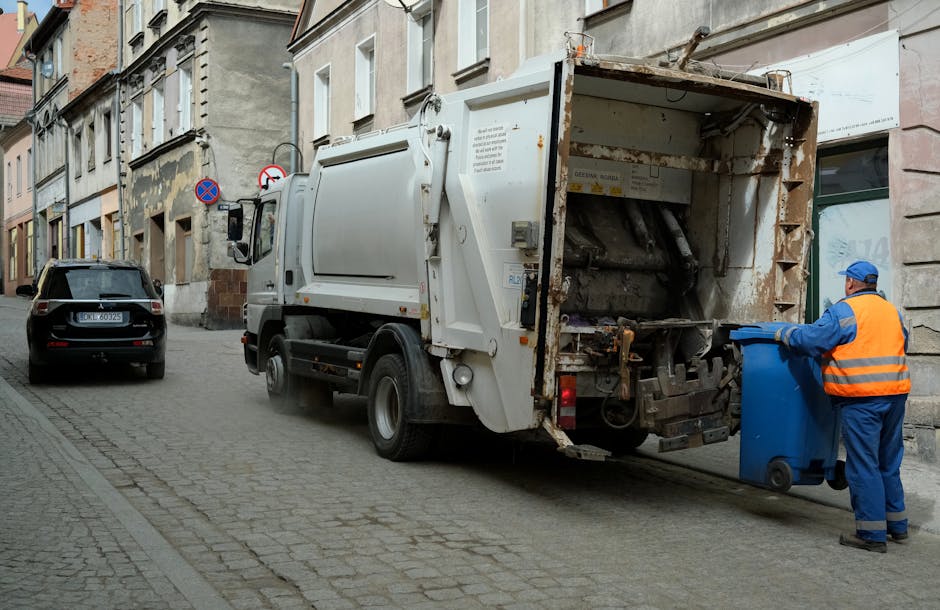
Avoid hidden rubbish removal fees in Kings Cross estates
If you live or work in a Kings Cross estate, rubbish removal should feel simple: book, clear, pay what you expected, and move on with your day. In reality, hidden rubbish removal fees can creep in fast. A quote looks fine at first, then suddenly there is a charge for stairs, distance to the vehicle, loading time, parking, bulky items, or a last-minute access issue. That is frustrating at the best of times, and on an estate it can get messy very quickly.
This guide is here to help you avoid hidden rubbish removal fees in Kings Cross estates with clear, practical advice. You will learn what usually causes surprise charges, how pricing should work, what to ask before you book, and how to spot a quote that looks cheap but is likely to change later. To be fair, the small print matters more than most people think.
By the end, you will know how to compare waste clearance options properly, protect your budget, and choose a service that is transparent from the start. If you want to understand the provider side as well, it can help to look at the company's about us page and its pricing and quotes information before you commit.
Table of Contents
- Why this matters in Kings Cross estates
- How estate rubbish removal pricing usually works
- Key benefits of transparent pricing
- Who this advice is for
- Step-by-step guidance
- Expert tips for better results
- Common mistakes to avoid
- Tools, resources and recommendations
- Law, compliance and best practice
- Options and comparison
- Real-world example
- Practical checklist
- Conclusion
- Frequently asked questions
Why this matters in Kings Cross estates
Kings Cross estates bring a few extra moving parts into rubbish removal. Access can be tighter than a standard house, lifts may be shared, parking can be awkward, and some estates have loading restrictions or concierge-style rules. That all affects the time needed to remove waste, and if the quote was built on assumptions rather than a proper assessment, the final bill can rise.
Hidden fees matter because they often appear in the exact situation when you are already under pressure. Maybe you are clearing a flat between tenancies, removing old furniture after a refurb, or shifting builders' waste from a small estate job. The rubbish is already there. The last thing you need is a surprise charge because the team had to walk an extra minute or because the load was heavier than expected. Sounds petty until it lands on your invoice.
There is also a trust issue. A transparent price tells you the company has thought through the job properly. A vague price usually means the estimate was rushed, and that is where arguments start. If you are comparing providers, transparency around payment and security is another good sign that the business takes customer protection seriously.
In practice, avoiding hidden rubbish removal fees in Kings Cross estates means looking beyond the headline price. Ask how access, weight, labour, parking, and disposal are priced. Then check whether those details are fixed, conditional, or simply guessed.
How this works in practice
Most rubbish removal pricing is built from a few components: the volume of waste, the type of waste, the labour needed to load it, the time spent on site, and disposal costs. On an estate, access can become part of that calculation too. A job that would be easy from a front drive may take longer from a basement flat, upper floor, or courtyard with limited vehicle access.
Good operators usually price with one of three models:
- Volume-based pricing - you pay according to how much space your rubbish takes in the vehicle.
- Item-based pricing - individual items such as sofas, wardrobes, or mattresses are priced separately.
- Load-and-labour pricing - the quote reflects the amount of waste plus the effort to remove it safely.
The problem starts when a provider gives a rough quote without explaining what is included. For example, a price may cover collection only from kerbside, but not from inside a flat. Or it may cover one flight of stairs but not four. Sometimes the cost changes because of extra waste added on the day. That is fair enough if it is explained clearly. It is not fair if you only hear about it after the work is done.
In a Kings Cross estate setting, the best quotes are usually based on specific details: floor level, lift availability, walking distance, parking or waiting constraints, item types, and whether the waste is mixed or separated. If a provider asks the right questions, that is usually a positive sign, not an annoying delay. They are trying to avoid the awkward "oh, by the way..." moment later on.
Key benefits and practical advantages
Getting a transparent rubbish removal quote does more than save money. It helps the whole job run more smoothly, especially in shared residential settings where timing and access matter.
- Predictable budgeting - you know what the job will cost before anyone starts lifting.
- Less dispute risk - clear terms reduce the chance of arguments over extras.
- Faster scheduling - accurate information helps the crew arrive with the right vehicle and crew size.
- Better estate relations - fewer delays mean less disruption to neighbours, caretakers, and visitors.
- Safer handling - a properly planned removal reduces rushed lifting and avoidable damage.
- More efficient clearance - the crew can work with confidence instead of pausing to renegotiate on site.
There is a quieter benefit too: peace of mind. When you know the quote is honest, you stop second-guessing every line item. You can focus on the move, the renovation, the tenancy handover, or simply getting your flat back in order. Truth be told, that mental relief is worth a lot.
If your clearance involves furniture or bulky household items, it may be useful to review the company's furniture clearance and furniture disposal options so you understand how specific items are handled.
Who this is for and when it makes sense
This advice is useful for anyone who has rubbish removed from a Kings Cross estate, but some situations need extra care.
Flat owners and renters
If you are clearing a flat after a move, a renovation, or a change of tenant, you will often have furniture, bagged waste, and a few awkward items that never seem to fit neatly into one category. That is where pricing can drift unless the job is properly described.
Landlords and letting agents
Estate flats often need fast turnaround. A hidden fee can wipe out the savings you thought you had made on a low quote. For landlord jobs, clarity matters because time is money and handovers are usually tight.
Facilities and building managers
Shared buildings need consistency. If one provider quotes one thing and bills another, it creates noise for everyone involved. You want a process that can be repeated without drama.
Businesses and offices nearby
Commercial clearances sometimes involve desks, filing cabinets, packaging, and general waste all in one go. If that sounds familiar, it may help to check a provider's office clearance or business waste removal service so you can match the job to the right pricing structure.
Builders and contractors
Construction and refurbishment work often creates heavy, mixed waste. That can include boards, offcuts, rubble, and packaging. It is exactly the sort of job where "starting price" can become a moving target if the scope is not pinned down early. For that reason, many teams review builders waste clearance before booking.
Step-by-step guidance
Here is a simple, practical way to avoid hidden rubbish removal fees in Kings Cross estates without overcomplicating it.
- Describe the waste properly. List the item types, estimated volume, and whether anything is unusually heavy, awkward, or fragile.
- Explain the access. Say which floor you are on, whether there is a lift, how far the item must be carried, and whether parking is nearby.
- Ask what the quote includes. Check labour, loading time, disposal, and any congestion, parking, or access-related charges.
- Confirm what could increase the price. Ask what counts as extra waste, how on-site changes are handled, and whether there is a charge for waiting.
- Get the quote in writing. A written estimate is much easier to compare than a quick phone number remembered from a rushed call.
- Read the terms before booking. Focus on cancellation, minimum charges, and any conditions that apply on the day. The terms and conditions page is worth a careful read.
- Take photos if needed. A few clear images can help align expectations, especially for mixed loads or bulky furniture.
- Confirm the final price before work begins. If the crew spots something different, ask them to explain the change before they start.
A small but useful habit: keep one short message thread with the provider. It makes the whole process easier if you need to check what was agreed. Not glamorous, but effective.
Expert tips for better results
In our experience, the best way to avoid hidden rubbish removal fees is not to hunt for the cheapest quote. It is to compare quotes that have been built on the same assumptions. That is a very different thing.
- Use measurements where possible. Saying "about half a van" or "two mattress-sized piles" is more useful than "a bit of stuff."
- Separate waste types if you can. Furniture, general rubbish, garden waste, and builders' waste can be handled differently.
- Be honest about awkward items. A broken wardrobe wedged in a narrow hall is not the same as a box of bags.
- Ask about loading from inside the property. Some providers price kerbside collection differently from full carry-out service.
- Check estate access in advance. If a fob, concierge, or loading bay booking is needed, tell the provider early.
- Watch for vague language. Phrases like "from" or "starting at" are fine as marketing, but they are not a final price.
One more thing: if sustainability matters to you, ask how reusable items and recyclable waste are handled. You may want to review a company's recycling and sustainability approach. It does not guarantee a cheaper quote, of course, but it often signals a more organised operation.
Also, do not be shy about asking the awkward question: "What would make this price change on the day?" It is a perfectly fair question. If someone dodges it, that tells you quite a lot.
Common mistakes to avoid
Most fee surprises come from a handful of predictable mistakes. The good news? They are all avoidable.
Booking on the headline price alone
A low headline price can be useful for comparison, but only if you know what it includes. Otherwise, it is a bit like buying a flight ticket and discovering the suitcase, seat, and air itself are all extra. Slightly dramatic, yes, but you get the point.
Not mentioning stairs, distance, or parking
Estate access is often the biggest pricing variable. If a provider has to carry waste a long way or wait for parking, the job may take longer than expected. Tell them upfront.
Assuming all waste is the same
Mixed loads can be more expensive to process than a neat, sorted pile. Furniture, soil, rubble, electricals, and general household waste are not identical in handling.
Changing the scope on the day
Adding extra items at the last minute is normal sometimes, but it should be agreed before loading. If not, the price can jump and the conversation becomes awkward very quickly.
Ignoring the small print
Cancellation charges, minimum fees, and access restrictions are not thrilling reading, but they matter. A few minutes with the terms can save a surprising amount of money.
Tools, resources and recommendations
You do not need fancy tools to avoid hidden rubbish removal fees in Kings Cross estates. A simple, organised approach usually works best.
- Photos of the waste - useful for quote accuracy and for reducing misunderstandings.
- Basic measurements - room size, item dimensions, or rough pile size can help with estimates.
- A short item list - especially handy for mixed clearances.
- Building access notes - lift availability, entry codes, loading bay details, and estate rules.
- Written confirmation - keep the quote and any agreed extras together in one place.
If you are clearing a home rather than just a few items, the company's home clearance or house clearance pages may help you understand the scope of service more clearly. For smaller property moves or partial clearances, flat clearance is often the most relevant place to start.
For customers who want a clearer picture of the business before booking, the insurance and safety page can help reassure you that the work is being handled responsibly. That does matter when heavy items are being carried through shared hallways or tight communal spaces.
Law, compliance and best practice
When waste is removed from estates, good practice matters. In the UK, waste should be handled responsibly, transported properly, and taken to the right facility. You do not need to become a legal expert to make a sensible booking, but you should expect the provider to follow proper procedures and explain what is happening with the waste.
For estate work, that usually means a few practical standards:
- Clear identification of what is being collected so the quote and disposal route are sensible.
- Safe loading and transport to reduce the risk of damage or injury.
- Transparent pricing so the customer understands what is included.
- Responsible disposal rather than dumping or vague "removal only" promises.
- Respect for building rules such as access times, shared spaces, and parking arrangements.
It is also sensible to check that the company has clear policies on customer service and complaints. If something goes wrong, you want a defined process rather than a shrug. A provider's complaints procedure can tell you a lot about how they handle issues in the real world.
For private information and booking details, it is reasonable to review the privacy policy too. If a company explains how it uses your details, that is usually a good sign of basic professionalism.
Options and comparison table
Not every clearance job is the same, and not every pricing model suits estate work. Here is a simple comparison to help you decide what is likely to be most cost-effective and least stressful.
| Option | Best for | Possible drawback | Fee-risk level |
|---|---|---|---|
| Volume-based quote | General household clearances and mixed loads | Can change if the amount was underestimated | Medium |
| Item-based quote | Single bulky items or small lists | Less flexible if the load grows on the day | Low to medium |
| On-site estimate | Complex estate access or uncertain volumes | Takes longer to arrange | Low |
| Call-out with minimum charge | Very small jobs | Can be poor value if only a few items are removed | Medium |
For many Kings Cross estate jobs, an on-site estimate or a very detailed photo-based quote is the safest choice. It reduces guesswork. And guesswork, frankly, is where hidden rubbish removal fees thrive.
Case study or real-world example
Imagine a resident in a Kings Cross estate is clearing out a two-bedroom flat after a long tenancy. The job includes a sofa, a bed frame, a broken chest of drawers, several bin bags, and a few boxes from the balcony storage area. The first quote they receive is appealingly low. Nice and neat. But it only covers ground-floor loading and assumes easy vehicle access.
When the resident explains they are on the third floor, the lift is out of service that morning, and parking is limited to a short loading window, the quote changes. Not because the provider is being awkward, but because the job is now quite different. The initial number was not really the final job price. It was just a starting point.
The resident then gets a clearer written estimate, sends photos, and confirms that the team will carry items from inside the flat with a two-person crew. The final price is higher than the first quote, but there are no surprises on the day. More importantly, the job finishes smoothly, the hallway stays tidy, and the whole thing is done before the afternoon traffic builds up outside. A small win, but a proper one.
That is the pattern to aim for: not the cheapest first number, but the clearest final outcome.
Practical checklist
Use this checklist before you book rubbish removal in a Kings Cross estate.
- Have I listed all the items clearly?
- Have I explained the floor level and lift access?
- Have I mentioned parking, loading, or concierge restrictions?
- Do I know whether the quote includes labour and loading?
- Have I asked what could increase the price on the day?
- Have I checked the terms and conditions?
- Do I have the quote in writing?
- Have I asked how mixed waste or bulky items are priced?
- Have I confirmed the collection time and any estate access requirements?
- Do I know who to contact if something changes?
If you can tick most of those off, you are already in a much stronger position than most people. Seriously, that little bit of prep goes a long way.
Get a free quote today and see how much you can save.
Conclusion
Hidden rubbish removal fees are usually avoidable if you slow the process down just enough to get the details right. In Kings Cross estates, where access, parking, and shared spaces can all affect the job, clarity is everything. The best protection is a good brief, a written quote, and a provider that explains costs in plain English.
So if you are comparing clearance options, focus on the final price logic rather than the first number you see. Ask better questions, confirm access details, and choose the quote that feels properly thought through. That is how you avoid the annoying surprises and keep the whole thing calm, fair, and tidy. And once it is done, it is done. Nice feeling, that.
Frequently Asked Questions
What counts as a hidden rubbish removal fee?
A hidden fee is any extra charge that was not made clear before booking. Common examples include charges for stairs, longer carry distances, parking delays, extra labour, or items that were not included in the original quote.
Why are estate clearances more likely to have surprise charges?
Estates often involve restricted access, shared entrances, lifts, concierge rules, and limited parking. Those factors can affect time on site and the amount of labour needed, so they need to be priced properly from the start.
How do I know if a quote is too vague?
If the provider only gives you a very broad price without asking about access, item types, or volume, it is probably too vague. A proper quote should explain what is included and what could change it.
Should I send photos before getting a quote?
Yes, photos are often helpful. They make it easier for the provider to estimate volume, see bulky items, and understand access issues. A few clear images can prevent a lot of back-and-forth later.
Is the cheapest rubbish removal quote usually the best?
Not always. The cheapest quote can be good value, but only if it genuinely includes the same things as the others. If important details are missing, the final bill may be higher than expected.
Do stairs always cost extra?
Not always, but stairs often affect pricing because they increase labour and time. Some companies include a certain amount of stair work in the base price, while others price it separately. Always ask.
What should I ask before booking rubbish removal in a Kings Cross estate?
Ask what the quote includes, whether there are access or parking charges, how extra items are handled, and whether the final price can change on arrival. Written answers are best.
Can furniture removal and general waste be priced together?
Yes, but the provider may need to know exactly what types of items are involved. Furniture, mixed rubbish, and specialist items can affect the disposal route and the overall quote.
What if the lift is broken on the day of collection?
Tell the provider immediately. If access changes after the quote is given, the price may need to be adjusted because the labour involved is now different from what was planned.
How do I compare quotes fairly?
Compare like with like. Check whether each quote includes labour, access, loading time, disposal, and any extra charges. A written estimate with the same assumptions is the fairest comparison.
Should I read the terms and conditions before booking?
Yes. The terms and conditions often explain minimum charges, cancellation rules, access assumptions, and what counts as extra work. It is not exciting reading, but it can save money.
What if I need a clearance service for a flat, house, or office?
Choose the service that best matches the job type. For example, a flat clearance, house clearance, or office clearance page can help you understand how the work is typically handled.
How can I check whether a company feels trustworthy?
Look for clear pricing information, safety and insurance details, straightforward communication, and a sensible complaints process. A company that explains things plainly is usually easier to work with.
What is the best way to avoid hidden fees completely?
You cannot remove every possible variable, but you can reduce risk by giving accurate details, asking direct questions, getting a written quote, and confirming what happens if the scope changes. That is the practical route, and usually the calmest one too.