Garden Clearance in Kings Cross

Garden clearance in Kings Cross should leave outdoor spaces easier to use, easier to maintain and ready for whatever comes next. We clear away brambles, leaves, branches, turf, soil, broken planting containers and other green waste with a practical approach suited to patios, small courtyards and shared gardens as well as larger plots. The aim is straightforward: remove the material that is in the way, separate what can be reused or recycled, and leave the area tidy rather than half-finished.
Our service can be useful when a garden has become overgrown, when a tenancy is ending, or when a space needs clearing before landscaping work starts. We also handle mixed outdoor waste where the job includes items such as disused furniture, damaged sheds in sections or general garden clutter alongside plant waste. If you are planning work in stages, it can help to start with a clear list of what needs removing, then ask for a quotation based on the actual load and access. A simple description is often enough to begin.
If you need a practical tidy-up or a fuller clearance, use the rest of this page to see the sort of work we cover and then request a quotation when you are ready. Garden clearance is often more efficient when the scope is set out clearly, so a brief note about the space, access and type of waste can help shape the right response. For many customers, the most useful first step is simply to describe what is there and what result you want.
What our garden clearance covers
We deal with the visible material that tends to accumulate in gardens over time: cuttings, soil, weeds, hedge trimmings, old compost, broken pots and general outdoor debris. Clearance can be light and tidy, or it can involve heavier lifting where waste has been left in piles, bags or mixed stacks. Where the work includes items beyond ordinary green waste, we separate those into the most suitable streams so that the clearance remains orderly and straightforward from start to finish.
Different gardens need different levels of intervention. Some only need a seasonal reset after pruning and leaf fall, while others need a more substantial clear-out before planting or repair work can begin. We can work around paths, beds, fences and narrow access points, and we can remove waste from front gardens, rear gardens, side returns and enclosed courtyards. The key is matching the clearance to the space, rather than treating every job in exactly the same way.
For a quotation, it helps to mention whether the work is mostly green waste, whether any bulky items are involved, and whether access is straightforward or limited. If you already know what must stay in place, say so at the same time. That keeps the quote focused on the actual work, rather than on assumptions. View pricing and quotes if you would like to see the kind of information that supports a fair estimate.
Overgrown gardens and seasonal tidy-ups

Overgrown gardens often need more than a quick sweep. When vegetation has spread across beds, borders or hard surfaces, clearance may involve cutting back growth, collecting loose arisings and removing material in stages so the area becomes workable again. We can clear dense organic waste that has built up after missed maintenance, including windblown debris and piles of cuttings left after earlier gardening work. The result should be a space that is visibly more manageable without unnecessary disturbance to the parts you want to keep.
Seasonal tidy-ups are usually best approached with a clear sense of priority. In spring, that might mean removing winter debris, damaged pots and tired planting waste; later in the year, it may be a matter of dealing with leaves, branch fall and spent growth. A good clearance should support the next job, whether that is planting, repair, mowing or simple ongoing upkeep. We keep the focus on sensible removal rather than overhandling material that could be left for another stage.
When you contact us, a brief note about the condition of the garden is useful, especially if there are hidden obstacles, tight gates or uneven ground. You do not need a polished inventory, but it does help to say whether access is through the house, a side passage or a rear entry. If you are comparing options, ask for a written quotation so the scope is easy to review before any work is arranged.
Garden waste, bulky items and mixed outdoor rubbish
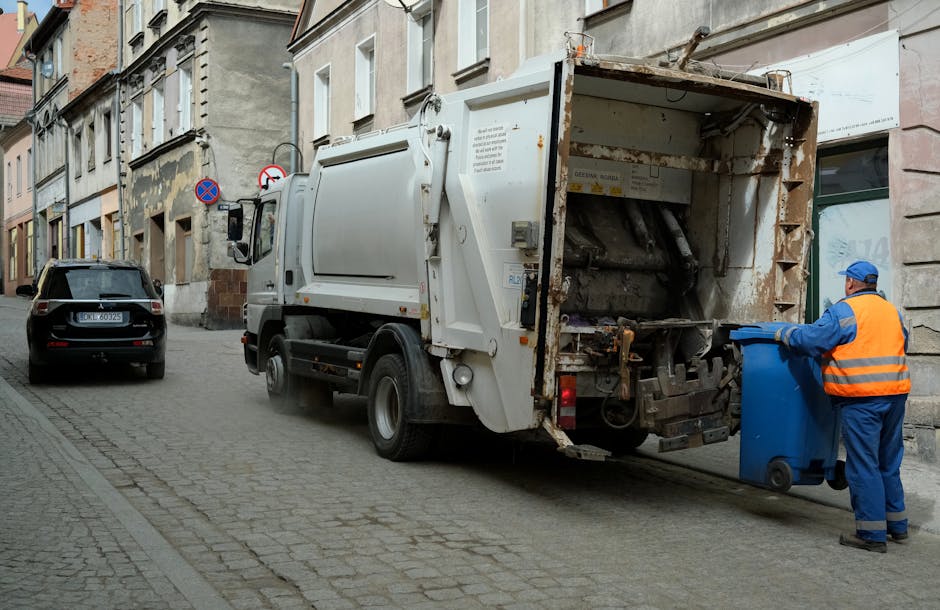
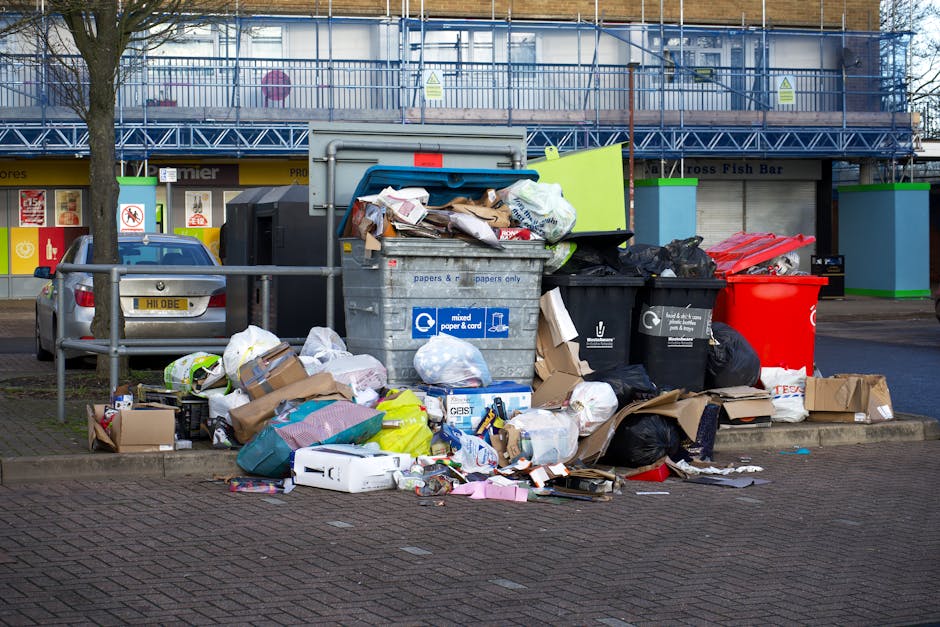
Not every garden clearance is made up of plant waste alone. Many outdoor spaces contain a mixture of old furniture, broken planters, damaged storage items, packaging left from deliveries and general rubbish that has found its way outside. We can clear mixed loads where garden debris sits alongside non-green items, keeping the job organised so that the different materials are handled appropriately. That is often the most practical way to make a cluttered garden usable again.
Where bulky items are involved, it helps to think about how they are positioned and whether they can be moved in one piece or should be taken apart first. Old benches, tables, shelving, plastic storage and awkward loose items may all need slightly different handling. Clearance works best when the load is described honestly, because that allows the work to be priced and planned with fewer surprises. If you are unsure what counts as garden waste and what counts as mixed rubbish, explain the mix and let the scope be assessed from there.
- Green waste such as branches, hedge clippings and weeds
- Bagged or loose outdoor rubbish
- Bulky items from sheds, patios or decking areas
- Old pots, broken containers and disused garden accessories
Preparing for a clearance visit
A little preparation can make the process smoother without requiring much effort from you. If there are items that must stay in the garden, move them into a separate area or point them out clearly. If access is via a gate, side return or shared path, it is worth checking that it is usable and that there is enough room to move waste safely. This is not about creating unnecessary admin; it is simply the quickest way to avoid avoidable delays.
Photos are often helpful, especially where the space is crowded or where waste is stacked out of sight. A few images from different angles usually provide enough context to support an accurate quotation. If the garden is behind a property or split between areas, one picture of each section can make the job easier to estimate. It also helps to mention whether parking or loading is simple, limited or likely to need planning, because access can affect how a clearance is organised.
For customers who want to move quickly, the most effective approach is still to give a short description of the waste, the size of the garden and any access restrictions, then request a quotation. You do not need to over-explain the history of the space. What matters is the present condition and the outcome you want. If the clearance will be part of wider garden work, tell us that too so the scope is not separated from the rest of the plan.
How we approach collection and sorting

Garden clearance is not only about lifting waste away; it is also about sorting it sensibly. Organic material, reusable items and general rubbish can each follow a different route, and a well-managed clearance keeps that separation in mind. We aim to make the process straightforward while still taking care over what is removed, especially when the job includes a blend of soft green waste and harder mixed material.
Some outdoor waste can be compacted efficiently, while other items need more careful handling because of shape, weight or contamination. Wet soil, tangled roots and broken timber all behave differently during removal, and that affects how the job is loaded and transported. In practical terms, this means the right clearance plan is the one that reflects the waste actually present, not a generic estimate based on a very different job. That is one reason why accurate descriptions matter.
If you are requesting a quotation, it is helpful to note whether the clearance is a one-off job or part of a sequence of garden tasks. For example, a customer may want the waste taken away first, with trimming, planting or surface repair to follow afterwards. In those cases, a clear order of work is easier to keep to. Read about recycling and sustainability for more on the way different materials can be handled.
Furniture, sheds and other non-green items
Outdoor spaces sometimes contain more than garden growth and loose rubbish. Old chairs, tables, benches, broken storage, parts of dismantled sheds and weather-damaged household items can all end up in the same clearance. We can remove these alongside the garden waste where the work calls for it, keeping the removal process cohesive rather than splitting a simple job into multiple visits. That is particularly useful when a garden is being emptied before repair, sale or refurbishment.
If an item is large or awkward, the main question is usually whether it can be carried out intact or whether it should be broken down into smaller sections. The answer depends on the item itself and on how the space is laid out. Safe handling matters more than speed, especially where the route out of the garden includes corners, narrow passages or steps. A careful plan reduces disruption and helps avoid unnecessary damage to paths, walls and gates.
Where non-green items are part of the job, include them in your enquiry rather than assuming they will be counted as garden waste. A brief note about what is being removed is usually enough to let the quotation reflect the right work. If the garden also contains stored household items or garage overflow, mention that clearly so the clearance can be discussed as one coordinated task rather than a series of unrelated removals.
About Kings Cross
Kings Cross is an inner London district in the London Borough of Camden, long shaped by transport, industry and redevelopment. Its name is associated with the monument to King George IV that once stood at the crossroads in the 19th century, though the structure itself no longer survives. The area developed rapidly with the arrival of railways in the mid-1800s, and the railway lands became one of the most important features of the district. Kings Cross and St Pancras stations now form a major national and international transport hub, linking London with the Midlands, the North of England and continental Europe through the Channel Tunnel Rail Link. Around the stations, the area has undergone extensive change in recent decades, with former goods yards and industrial land transformed into a mixed urban quarter of offices, homes, shops and public spaces. Granary Square is one of the best-known modern additions, set beside the Regent’s Canal and animated by fountains, seating and events space. Nearby, the restored coal drops and warehouse buildings have given the district a distinctive blend of historic brickwork and contemporary design. The area also connects with nearby neighbourhoods such as Bloomsbury, Camden and Islington, making it both a through-route and a destination in its own right. Kings Cross has a strong cultural presence as well, with institutions such as the British Library close by and a mix of restaurants, galleries and performance venues contributing to its urban character. Despite the redevelopment, traces of its railway and industrial past remain visible in the layout, architecture and surviving structures that give the district its layered identity.
The road and rail network around the district makes it one of central London’s most recognised gateways, while the canal corridor adds a quieter contrast to the busy station environment. Much of the interest of Kings Cross lies in that contrast: large-scale infrastructure on one hand, and carefully designed public realm on the other. The result is a place where historic fragments, modern buildings and open civic spaces sit side by side in a compact area with a very particular urban rhythm.
For local clients, please review the sections above and then request a quotation when you are ready to move forward.
Household garden clearances and boundary areas
Many garden clearances begin at the boundary between house and outside space. Side returns, rear yards, front forecourts and shared entrances all create different practical constraints, and household garden clearances often need to respect those boundaries carefully. We can clear material from the parts of the property that are being used for storage, planting or access, helping you return the area to a simpler and cleaner state. This is useful when a domestic outdoor space has become crowded over time.
Where the work touches both indoor and outdoor spaces, it is sensible to separate what belongs in the garden from what belongs elsewhere. That prevents the job from drifting into something broader than intended and helps keep the quotation accurate. If your clearance involves access through a house, say so at the outset, because the route matters as much as the quantity of waste. The more precise the description, the easier it is to match the work to the setting without overcomplication.
We can also discuss the order in which items should be removed if there are planted areas, fixed structures or surfaces that you want left undisturbed. A useful way to frame the enquiry is to think in terms of outcomes: what should be gone, what should remain and how clean the area should be when the work is finished. That practical framing makes the conversation quicker and keeps it focused on the actual job.
When a fuller clearance is the better option
Some gardens are best treated as a full clearance rather than a light tidy-up. That may be the right choice where waste is spread across the whole space, where old materials have accumulated over a long period, or where the garden needs to be emptied before major changes begin. A fuller clearance can include heavy organic waste, mixed rubbish, surplus outdoor items and materials left behind after incomplete work. It is usually the most direct route when a site needs a proper reset.
When the job is extensive, it can be helpful to think about what stage the garden is at and how much remains fixed in place. There may be borders, paving or structures that stay, while loose items and waste are removed. We approach those situations by keeping the focus on what can reasonably be cleared now, rather than stretching the work beyond what has actually been agreed. That way the outcome is clearer and the quotation stays tied to the task.
To finish, the most useful next step is simple: tell us what is there, explain any access issues and ask for a quotation. If you would like to compare related services, you can also see our garden clearance service, or contact us for a quote when you are ready.