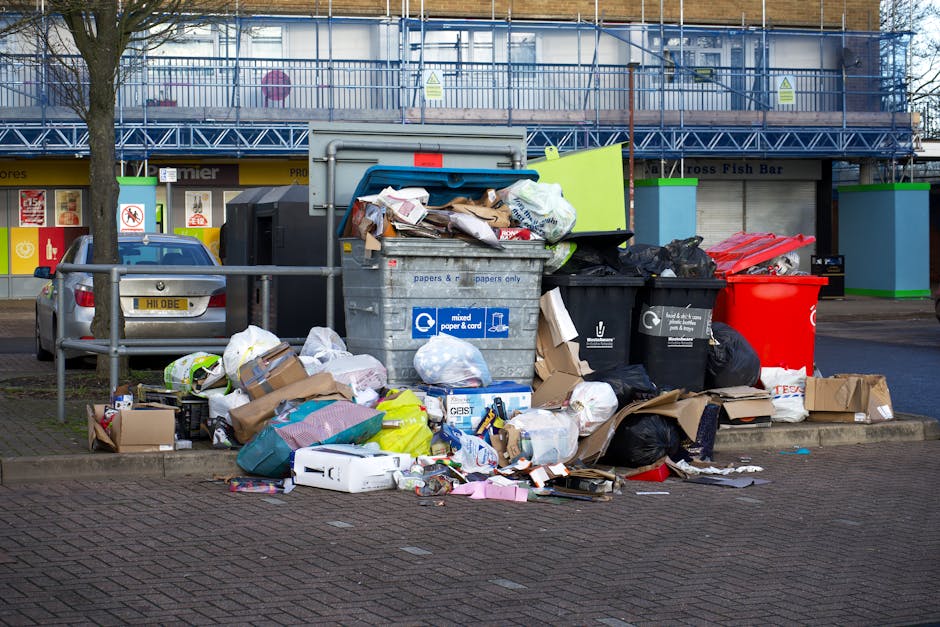
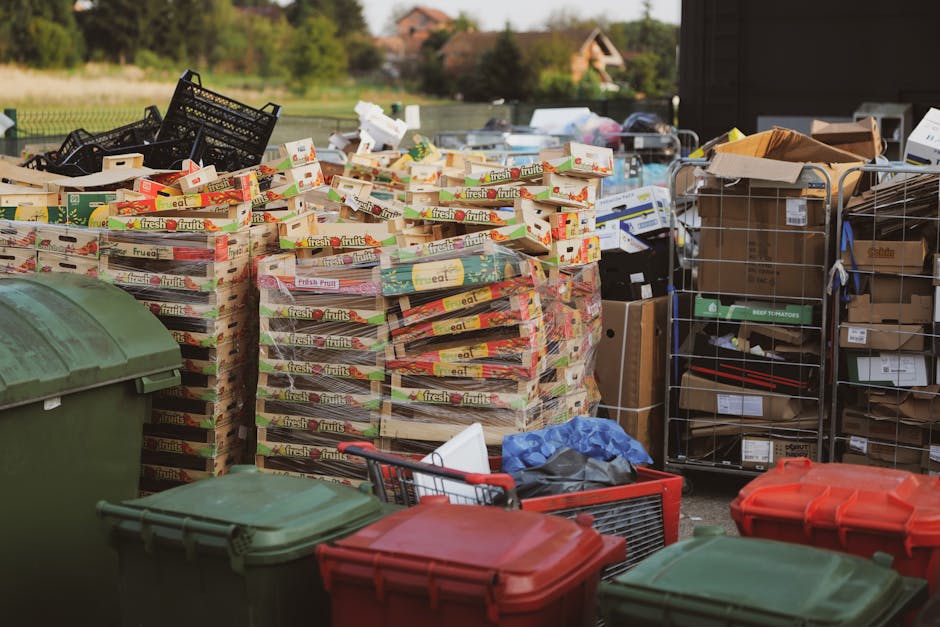
Coal Drops Yard rubbish collection what to know
If you are planning a clean-up around Coal Drops Yard, the main thing to know is this: rubbish collection here is less about "put it out and forget it" and more about planning, access, timing, and the type of waste you have. That might sound obvious, but in a busy place like King's Cross, the details matter. A missed loading window, the wrong waste mix, or a bulky item left awkwardly in a shared access route can quickly turn a simple job into a proper headache.
This guide on Coal Drops Yard rubbish collection what to know is designed to help you avoid that. We'll cover how collections typically work, who they suit, what to prepare, where people usually go wrong, and the practical steps that make the process smoother. If you want the short version: sort the waste, check access, choose the right collection method, and make sure disposal is handled responsibly. Easy enough in theory. In practice, a little organisation goes a long way.
For broader information on waste handling and disposal support, you may also find our waste removal service and recycling and sustainability approach useful as you plan the job.
Table of Contents
- Why Coal Drops Yard rubbish collection what to know Matters
- How Coal Drops Yard rubbish collection what to know Works
- Key Benefits and Practical Advantages
- Who This Is For and When It Makes Sense
- Step-by-Step Guidance
- Expert Tips for Better Results
- Common Mistakes to Avoid
- Tools, Resources and Recommendations
- Law, Compliance, Standards, or Best Practice
- Options, Methods, or Comparison Table
- Case Study or Real-World Example
- Practical Checklist
- Conclusion
- Frequently Asked Questions
Why Coal Drops Yard rubbish collection what to know Matters
Coal Drops Yard is not the sort of place where waste can be handled casually. It is a high-footfall destination with shops, restaurants, offices, visitors, deliveries, and the general bustle that comes with a popular part of King's Cross. That means rubbish collection needs to fit around a live environment rather than interrupt it. And that changes everything.
When people search for Coal Drops Yard rubbish collection what to know, they are often dealing with one of three situations: a business needing regular waste collection, a flat or apartment clear-out, or a one-off bulky item removal after a refurb or relocation. Each has different needs. A few bin bags are one thing. A pile of broken furniture, packaging, and old fixtures is another story entirely.
It matters because poor waste handling can cause practical issues very fast: blocked walkways, odours, unhappy neighbours, compliance concerns, and unnecessary delays. Truth be told, rubbish is rarely the problem on its own. It's the timing around the rubbish that causes trouble. The lift is booked, the loading bay is busy, the team is short-handed, the job runs over, and suddenly everyone is standing around waiting.
This is also why a local, organised approach helps. Knowing how collections fit into the site, what access is available, and what waste streams are involved can save a lot of stress. It is the difference between a smooth handover and a slightly chaotic afternoon with a trolley, a van, and somebody saying, "We thought it would all fit."
How Coal Drops Yard rubbish collection what to know Works
In practical terms, rubbish collection in and around Coal Drops Yard usually follows a straightforward pattern. Waste is assessed, sorted, collected, loaded safely, and taken away for appropriate disposal or recycling. Simple enough. The real skill lies in making sure each part happens in the right order and at the right time.
Most collections begin with an assessment of the material involved. Is it general rubbish, bulky household waste, office waste, garden waste, mixed items, or construction debris? That matters because different waste types should be handled differently. A bag of packaging and a damaged chair are not the same as plasterboard offcuts or a fridge unit. Not even close.
Next comes access planning. Coal Drops Yard and the surrounding King's Cross area can be tight for vehicles, timed for deliveries, and busy with pedestrians. A collection team may need to work within a loading window, use specific access points, or coordinate carefully with building management or site rules. If you have ever tried to manoeuvre a large item through a narrow corridor while people are passing in both directions, you'll know why this step matters.
Then there is the collection itself. This usually involves moving items safely from the premises to the vehicle, separating recyclable materials where possible, and checking that the waste load is secure. After that, the waste is transported for sorting, recycling, or disposal in line with the relevant duty of care expectations. If you want to understand the broader service category, our home clearance, flat clearance, and office clearance pages explain the kind of situations that often feed into rubbish collection work.
Key Benefits and Practical Advantages
There is a reason people choose professional rubbish collection instead of trying to handle everything themselves. In a place like Coal Drops Yard, convenience is only part of the picture. There are several practical advantages that quickly become obvious once the job starts.
- Less disruption: A planned collection can reduce noise, mess, and time spent moving waste through public or shared areas.
- Better safety: Lifting bulky or awkward waste properly reduces the risk of injury and property damage.
- More efficient disposal: Sorting waste correctly from the start makes recycling and disposal cleaner and easier.
- Time saved: You are not making multiple trips, renting equipment, or trying to figure out where each type of waste belongs.
- Cleaner end result: A space feels properly finished when the waste is gone, not just moved into a corner for later.
There is also a small but real emotional benefit: you get your space back. That matters more than people admit. A cleared room, a tidier store back area, or an uncluttered flat changes the mood of the whole place. You notice the light again. You can breathe a bit easier. Sounds dramatic, but it's true.
If your waste includes old furniture or worn-out items, our furniture disposal and furniture clearance pages may also be relevant, especially where bulky pieces are involved.
Who This Is For and When It Makes Sense
Coal Drops Yard rubbish collection what to know is relevant to a few different types of people, and each one has a slightly different problem to solve.
Business owners and managers may need help with packaging, old stock, damaged furniture, back-of-house waste, or regular waste removal that keeps the premises presentable. In busy retail and hospitality settings, waste builds quickly. By lunch, it can already feel like the room has had a long week.
Residents and tenants may need help with household rubbish, bulky furniture, loft clutter, or the aftermath of a move. If you are in a flat, stairs, lifts, and shared entrances can make even a "small" clear-out more complicated than expected.
Landlords and property managers often need fast turnaround between tenancies. In those cases, rubbish collection is not just about removing waste. It's about preparing a property for cleaning, inspection, and the next occupant.
Contractors and refurbishment teams need reliable removal of builders' waste, packing materials, and fixtures. For those jobs, our builders waste clearance service may be a better fit than a general collection.
So when does it make sense? Usually when the waste is too much for normal bins, too bulky for a simple car trip, or too awkward to manage safely on your own. If you're wondering whether to do it yourself, ask one question: will this still feel easy after you've moved it down two flights of stairs and found nowhere to park? Exactly.
Step-by-Step Guidance
Here is the cleanest way to approach rubbish collection near Coal Drops Yard without making life harder than it needs to be.
- Identify the waste. Separate general rubbish, reusable items, recyclables, and anything that needs special handling.
- Check access. Look at lift access, stairs, loading points, parking restrictions, timing limits, and any building rules.
- Measure bulky items. Large items can be deceptively awkward. A sofa or cabinet may fit through the door on paper and still be a faff in reality.
- Decide what stays and what goes. Be decisive. Half-cleared spaces slow everything down.
- Prepare the area. Move fragile items away, clear a route, and make sure bags or boxes are labelled if needed.
- Book the right service. Choose the collection method that fits the waste type and volume.
- Confirm disposal expectations. Ask how recycling, reuse, and disposal will be handled, especially for mixed waste.
- Do a final sweep. Check cupboards, under desks, corners, and storage spots before the team leaves. That last missing box always appears later, doesn't it?
One useful habit is to take a few photos before collection day. Not for drama, just for clarity. It helps with planning, and it is useful if you are comparing quotes or confirming the scale of the job.
Expert Tips for Better Results
The best rubbish collection jobs are rarely the most complicated ones. They are the most prepared ones. Here are a few things that make a genuine difference.
Keep waste streams separate where possible. General rubbish, cardboard, metal, wood, and furniture are easier to handle when they are not all mixed together. Even a simple separation can improve efficiency.
Think in terms of access, not just volume. A small amount of heavy waste can be harder than a larger amount of lightweight waste. One battered filing cabinet can be more annoying than six sacks of packaging. That is just how it goes.
Leave a clear working zone. A clean route saves time and lowers the chance of scuffs, knocks, or accidents. It also makes the job feel calmer, which helps more than people expect.
Be honest about the waste. If there is more than you first thought, say so early. It is much easier to plan for extra volume than to improvise mid-collection.
Ask about responsible disposal. For most customers, this is a trust issue. You want to know that items are being handled properly, with recycling where appropriate and disposal where necessary. Our recycling and sustainability information may be a useful starting point.
Use the timing wisely. If your site is quiet in the morning or after a delivery peak, use that window. A well-timed collection is often the difference between a tidy exit and a frustrating shuffle.
Expert summary: the smoother the access, the clearer the waste, and the better the timing, the easier a Coal Drops Yard rubbish collection becomes. It's rarely about brute force. Mostly it's about planning, and a little common sense.
Common Mistakes to Avoid
Even careful people make avoidable mistakes with rubbish collection. The good news is that most of them are easy to prevent once you know what to look for.
- Leaving sorting until collection day. Sorting on the spot slows everything down and usually creates confusion.
- Underestimating access problems. Tight corners, lifts, and loading restrictions can change a simple job very quickly.
- Mixing unsuitable waste types. Some materials need different handling. Mixed loads can be inefficient and, in some cases, problematic.
- Forgetting about hidden waste. Cupboards, storage boxes, under-shelf items, and back rooms often contain the last bit nobody mentioned.
- Assuming all waste is the same. It really isn't. General rubbish, furniture, and builders' waste each need the right approach.
- Not checking the building rules. Shared premises often have their own timing or access expectations, and they are worth checking first.
The biggest mistake, honestly, is treating rubbish collection like a quick errand rather than a logistics job. Around Coal Drops Yard, logistics matter. A lot.
Tools, Resources and Recommendations
You do not need a van full of equipment to prepare well, but a few basic tools and resources make the job easier.
- Strong refuse sacks or boxes: Useful for smaller waste and loose items.
- Marker pen and tape: Handy for labelling keep/remove piles.
- Measuring tape: Especially useful for furniture or tight access routes.
- Gloves and sturdy footwear: Practical protection for handling sharp or dirty items.
- Cleaning cloths or a dustpan and brush: Good for the final tidy-up after removal.
In terms of service planning, it helps to know whether you need a general collection or something more specific. For example, a garage packed with mixed clutter may be better suited to garage clearance, while attic or storage-heavy jobs may be better matched to loft clearance. If the project is broader, home clearance can be a more suitable umbrella service.
For businesses, it can also help to review business waste removal if your waste is recurring rather than one-off. That distinction matters more than it first seems.
Law, Compliance, Standards, or Best Practice
Waste collection in the UK is shaped by duty of care expectations and sensible environmental practice. You do not need to become a legal expert to make a good decision, but you should know the basics.
First, waste should be transferred to someone authorised and equipped to handle it properly. That means it should not just disappear into a van with no clear process behind it. Reputable waste collection should include proper handling, traceability, and disposal in line with accepted UK norms. If a provider is vague about what happens after collection, that is worth questioning.
Second, segregation matters. Some waste types should be kept separate where practical, especially materials that can be reused or recycled. This is not only a best-practice issue; it is also a sensible way to reduce unnecessary landfill use and avoid contamination.
Third, safety cannot be an afterthought. Shared access areas, public routes, stairs, and loading bays need care. A good team plans the movement of waste so that people, property, and the waste itself are all handled safely. For more on this, see our health and safety policy and insurance and safety information.
If you are dealing with commercial premises, you may also want to review the practical side of office clearance and internal housekeeping standards. A tidy waste process is part of a tidy operation, no getting around it.
Options, Methods, or Comparison Table
There is more than one way to handle rubbish collection around Coal Drops Yard. Choosing the right method depends on volume, timing, access, and how quickly you need the space cleared.
| Method | Best for | Pros | Watch-outs |
|---|---|---|---|
| Self-haul | Very small loads, loose bags, a few items | Can be cheap if you already have the transport | Time-consuming, parking issues, heavy lifting, multiple trips |
| General rubbish collection | Mixed household or site waste | Convenient, quick, less manual effort | Needs clear access and accurate waste description |
| Furniture or bulky item removal | Sofas, wardrobes, tables, office seating | Good for awkward, heavy items | Needs careful measuring and route planning |
| Builders' waste clearance | Renovation debris, offcuts, packaging, rubble mixes | Purpose-built for site waste | Must be described accurately to avoid delays |
| Business waste removal | Recurring commercial waste streams | Better for ongoing operations | Requires consistency and a suitable collection schedule |
In many cases, the right choice comes down to one simple question: do you want to spend your own time moving waste, or would you rather have it handled properly in one go? For most people, especially in a busy area, the answer is obvious once they picture the full afternoon.
Case Study or Real-World Example
Imagine a small retail unit near Coal Drops Yard that has just finished a stock refresh. The back room is full of old display pieces, broken shelving, cardboard, mixed packaging, and a few damaged chairs. Nothing dangerous on its own, but together it feels like a wall of "we'll sort that later."
The team starts by separating what can be reused from what needs collection. Cardboard goes in one pile, furniture in another, and the heavier mixed items are grouped near the exit route. They check the building's access window, clear the corridor, and make sure the lift is available at the right time. Simple stuff, but it saves a lot of chaos.
On collection day, the waste is moved out in a steady, controlled way. No unnecessary back-and-forth. The team knows what is there, the route is clear, and the job ends with the space looking ready for the next day's trading. That is the ideal outcome, really. Not flashy. Just efficient.
Now compare that with a less prepared version of the same job: items left in multiple rooms, no access plan, and an assumption that everything can be squeezed into one load. That version often takes longer, feels more stressful, and can cost more in time and effort. So yes, preparation matters. A lot.
Practical Checklist
Use this checklist before booking or arranging your collection.
- Sort waste into clear groups: general, furniture, recyclable, and specialist items.
- Measure bulky items and check routes through doors, lifts, and corridors.
- Confirm access times, loading points, and any building restrictions.
- Remove fragile items from the collection path.
- Decide what stays on site and what goes.
- Take a quick photo of the waste if you need to compare options or explain the scope.
- Ask how recyclable materials will be handled.
- Make sure the collection area is clear and safe to work in.
- Double-check for hidden items in cupboards, shelves, or storage corners.
- Review the relevant service pages if your job is more specific than a general collection.
Helpful starting points include pricing and quotes if you are comparing options, and contact us if you want to talk through the details first. If you are simply looking at the company background, our about us page is there too.
Conclusion
Coal Drops Yard rubbish collection what to know comes down to a few practical truths: know your waste, plan your access, choose the right collection method, and don't leave the messy bits until the last minute. In a busy, design-led part of London, that planning really pays off. It keeps things safe, calm, and far more efficient than rushing through it on the day.
The nicest thing about a good collection? You hardly notice it happening. That is usually the sign it was done well. No drama, no pile-ups, no awkward gaps in the day. Just a cleared space and a proper sense of movement again.
Get a free quote today and see how much you can save.
And if you are still weighing up the best approach, take your time. A careful plan now can save you a lot of effort later, and that's never a bad trade.
Frequently Asked Questions
What does Coal Drops Yard rubbish collection usually include?
It usually covers the removal of general waste, bulky items, mixed clutter, and in some cases specific streams such as furniture or builders' waste. The exact scope depends on what needs clearing and how access is arranged.
Do I need to sort the rubbish before collection?
Sorting is strongly recommended. It makes the job faster, safer, and easier to handle responsibly. Even basic separation, like cardboard away from furniture, can help a lot.
Can rubbish collection handle bulky items?
Yes, as long as the items can be moved safely and the route is suitable. Large furniture, broken fixtures, and other awkward pieces often need a bit of planning before removal.
Is rubbish collection different from clearance?
Often, yes. Rubbish collection may refer to general waste removal, while clearance services tend to involve a fuller emptying of a room, flat, garage, loft, or office. The right fit depends on the scale of the job.
What should I check before booking a collection near Coal Drops Yard?
Check access, timing, waste type, item size, and any building rules. If the job is commercial or shared-site based, those details matter even more.
How do I know if I need builders' waste clearance instead?
If your waste includes plasterboard, rubble, offcuts, or renovation debris, builders' waste clearance is usually the more suitable option. General rubbish collections are not always the best match for construction-related material.
Can waste be recycled as part of the collection?
Often, yes. Many materials can be separated for recycling where practical. The more clearly the waste is sorted, the easier that becomes.
What if I only have a small amount of rubbish?
Even small jobs can be worth arranging if the items are bulky, awkward, or difficult to move yourself. A few large items can be more trouble than a bigger but lighter load.
How far in advance should I plan the collection?
If access is simple, you may not need much lead time. If the collection involves timed building access, business premises, or multiple waste types, it is better to plan ahead.
Can rubbish collection work for offices and retail units?
Yes. In fact, it is often a very good fit for offices, shops, and hospitality spaces that need to remove packaging, old furniture, or mixed waste without disrupting daily operations.
What happens if the collection route is too narrow?
If the route is too tight, the team may need to adapt the plan, move items differently, or reassess what can be removed safely. That is why measuring and checking access early is so helpful.
Where can I learn more about related clearance services?
You can review the relevant service pages for house clearance, flat clearance, garage clearance, and loft clearance to see which type best matches your situation.